
 By Parker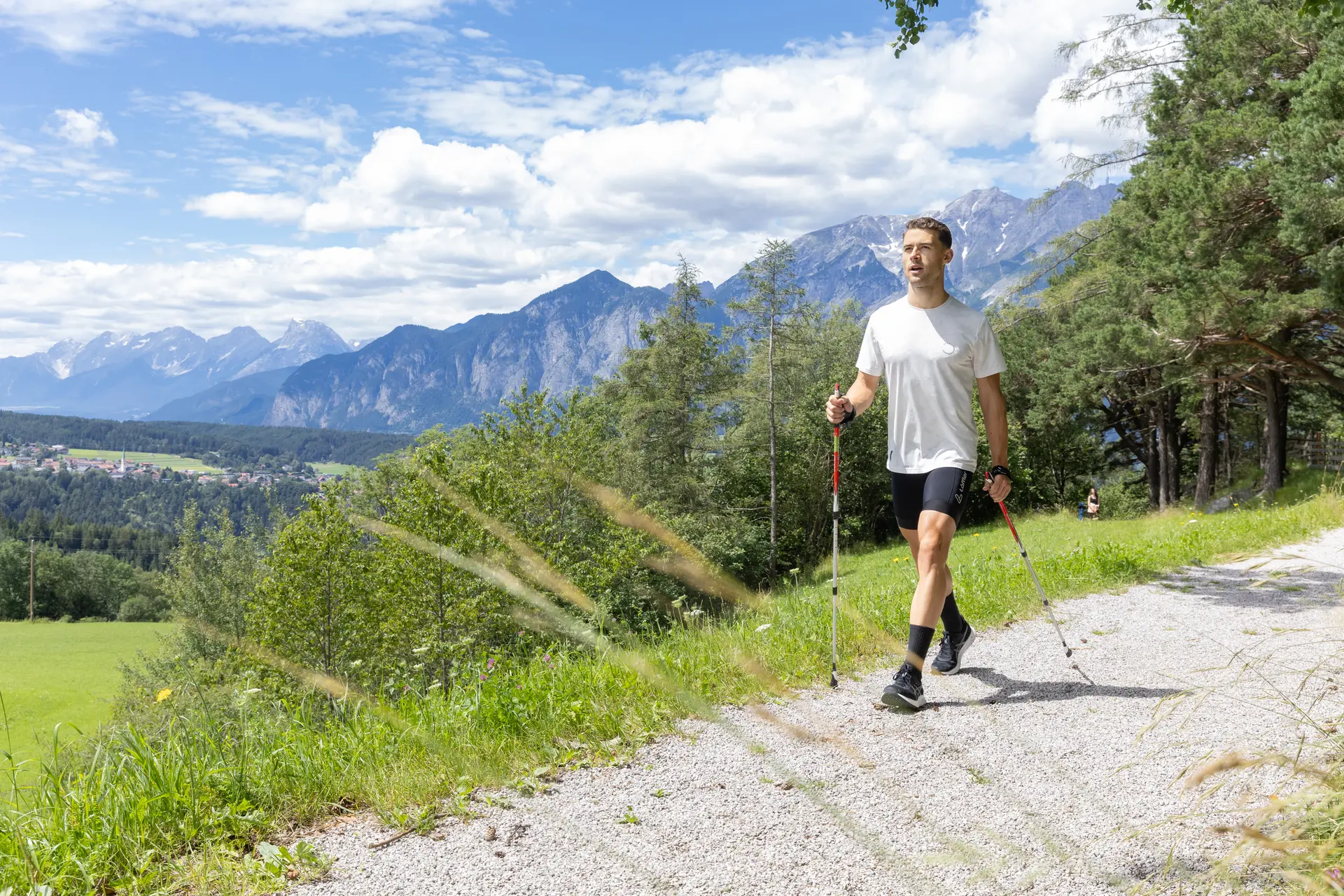
Walking is one of the simplest yet most effective forms of exercise available to us. Beyond its physical benefits, walking has also been recognized as a form of therapy—a way to heal emotionally, mentally, and spiritually. Unlike high-intensity workouts or expensive wellness programs, walking is accessible to nearly everyone. Whether it’s a mindful stroll in a park, a brisk walk to clear the mind, or a reflective journey through familiar streets, walking provides a therapeutic space where movement becomes medicine.
Walking As A Form Of Expression
Walking allows us to express and process emotions without the need for words. Each step becomes a way to release tension and reconnect with ourselves. The rhythm of walking mirrors the rhythm of thought, creating clarity and calmness.
It can be compared to the symbolism in a hidden face girl pic, where subtle expressions convey emotions that words cannot. Just as a photo can capture silent feelings, walking helps us communicate with our inner world and release what we may struggle to say aloud.
Walking And The World Around Us
Walking is not only about internal healing but also about connecting with the world outside. A short walk through a neighborhood introduces us to sights, sounds, and faces that ground us in the present. It shifts focus away from worries and brings awareness to the small details of daily life.
In a professional sense, directories like a serve a similar purpose. They connect us with local shops, services, and people in the community. Walking achieves the same result on a personal level—it connects us to our surroundings, reminding us that we are part of something larger than ourselves.
Walking As Emotional Release
For many, walking becomes a way to cope with grief, sadness, or stress. It provides a quiet escape where emotions can be processed without interruption. The simple act of movement often lightens emotional burdens, even if solutions aren’t immediately found.
This idea resonates with resources like mysadshayari.com, where words and poetry offer comfort during emotional struggles. Walking plays a similar role—it may not erase the sadness, but it provides a safe outlet to process it, helping individuals find strength in each step.
Walking For Reflection And Planning
Walking also offers space for reflection and decision-making. Away from the distractions of screens and noise, the mind has room to organize thoughts and explore ideas. Entrepreneurs, writers, and thinkers often use walks as moments of clarity to spark creativity or plan future goals.
This process is not unlike searching through homes for sale listing Australia. Just as browsing listings helps potential buyers envision possibilities for their future, walking allows individuals to envision personal paths forward. Both are exercises in imagining new opportunities and making decisions about the next steps in life.

Walking As A Social Experience
While walking can be a solitary practice, it is also a way to strengthen social bonds. Walking with friends, family, or even strangers fosters conversations that feel more natural when in motion. The relaxed pace creates space for meaningful dialogue, laughter, or shared silence.
Think of it as similar to exploring the best restaurants listing Australia. Just as food brings people together to share experiences, walking side by side connects people in simple, meaningful ways. Both experiences highlight the importance of togetherness and the joy found in everyday activities.
The Science Behind Walking As Therapy
Research shows that walking reduces stress, lowers blood pressure, improves circulation, and enhances mood. It stimulates endorphins—the body’s natural “feel-good” chemicals—helping reduce symptoms of anxiety and depression. Walking outdoors, especially in natural environments, also provides exposure to fresh air and sunlight, which further support mental health.
Studies on mindfulness also suggest that walking meditation, where attention is placed on breathing and steps, improves focus and decreases negative thought patterns. In many ways, walking is both a physical and mental exercise, bridging the gap between body and mind.
Walking As A Lifelong Practice
The beauty of walking as therapy is its accessibility. It requires no special equipment, memberships, or training. It can be tailored to suit all ages and fitness levels, making it a lifelong habit that evolves with individual needs. For some, it becomes a daily ritual of reflection; for others, a tool for stress management or a social activity.
Its flexibility ensures that anyone can use walking as a way to heal, whether they seek physical fitness, emotional release, or a sense of connection with others.
Conclusion
Walking is more than just a form of exercise—it is a therapeutic practice that nurtures both the body and the mind. Each step has the potential to release emotions, inspire reflection, strengthen connections, and improve overall well-being. From its ability to mirror silent emotions to its role in connecting us with our communities and memories, walking is a reminder that healing doesn’t always require complexity. Sometimes, it simply requires movement. And in those quiet, steady steps, we find both strength and peace.