
 By Parker
 When your toddler wakes up with a congested, irritable, and struggling to breathe, it may make you feel helpless. Babies normally experience a hard time eating, drinking, and even sleeping since the mucus is thick, and children cannot get the stuff out of their noses as quickly as adults can. It is important to know what to do when dealing with your toddler’s mucus safely. It will not only help to alleviate the discomfort but also help to prevent the development of congestion to infection.

It is important to know how to dry up mucus in toddler to immediately take action for the sake of your baby’s comfort and safety. This manual provides proven and gentle tips that have been suggested by psychiatrists to help you cope with the insistent and stubborn runny nose of your toddlers.
Keeping Your Toddler Hydrated to Thin Mucus
Although one might assume that its objective is to dry the mucus, the safest and most successful approach is to coincidentally to dilute it. The thicker and stickier mucus is more difficult to move, and this causes the nose to be clogged by a mass of mucus and feel stuffy. However, this mucus can be easily sneezed or drained. This can be accomplished by good hydration.
What helps most:
- Give your baby a small amount of water. Do this frequently throughout the day.
- For young toddlers, breastmilk formula can serve as hydration.
- Using warm water can help make the mucus thinner.
- Avoid giving your baby sweet foods that can irritate their throat.
When your toddler does not want to drink water, you can give it to them using a fun straw or put some cold slices of fruit so that they seem nice.
Using Saline Solutions and Nasal Suction Safely
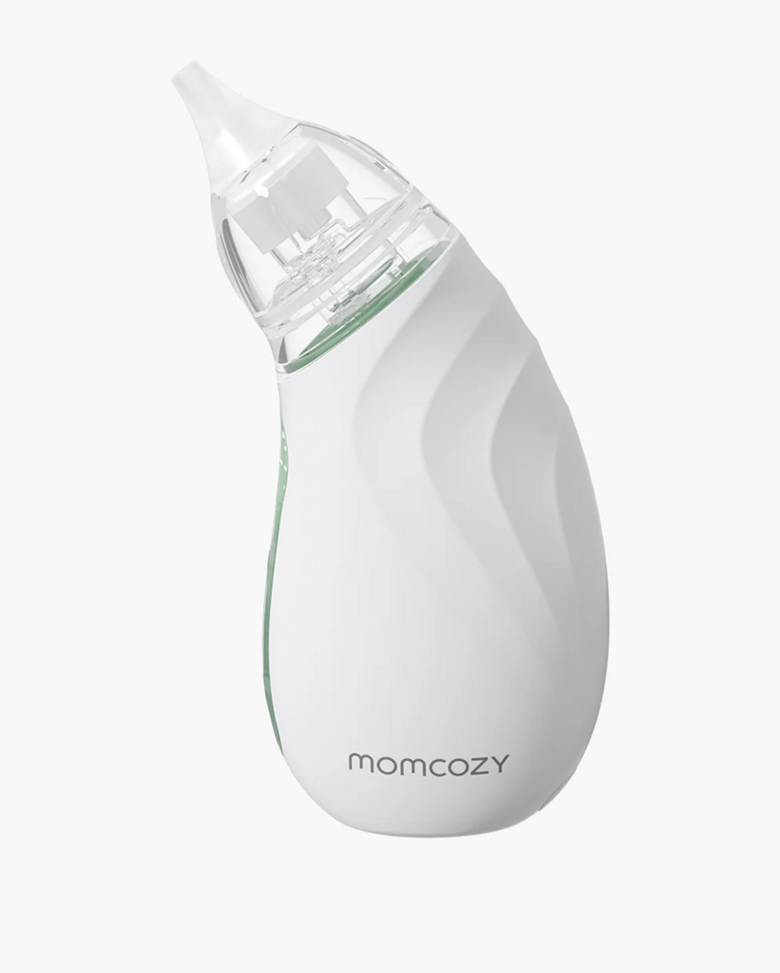
The usage of both saline solutions and an electric nasal aspirator. This is much better than any medicinal means of assisting in drying up of mucus in toddlers.
- Saline Solution
Saline solution works by adding moisture to your nose and loosening up the thick mucus. This is a simple non-drug method of clearing the nose.
- Technique: Place your toddler on his back and otherwise lean his head backwards and drop two to three drops of sterile child saline into their nostrils. Allow thirty to sixty seconds to elapse, then move on to suction.
- Timing: Take saline prior to feasts and before sleep to allow easier nose clearance so that you and your baby can eat and sleep.
- Nasal Suction
Toddlers are unable to clear their noses by blowing on them till they are two to four years old, so you have to stick your fingers in to remove the liquid nasal mucus.
- Bulb Syringe: This is a gentle and an easy to use option. Always make sure to squeeze out the air from the bulb, use the tip, carefully placing it into the nostril, then release the bulb to produce the suction.
- Manual Applicator: Devices employing the gentle and controlled suction by you. This is very useful when dealing with thick and stubborn mucus.
- Electric Nasal Aspirator: This type of nasal suction uses electricity to operate. This will allow you to do the suction without your hands. They have constant suction and are typically simpler to wash than bulb syringes, and so they are a handy gadget for you.
Although there are suction devices available, only do it when really needed. The excessive suctioning may lead to irritation and swelling, which will make the congestion worse in an unfamiliar manner.
Harnessing the Power of Steam and Humidification
Warm steam can loosen the mucus, make breathing less dry, and your baby will feel more comfortable when breathing. It particularly comes in handy where there is an obstinate or accompanied cough.
- Cool-Mist Humidifiers
A cool-mist humidifier will provide moisture to the air in the room as your baby sleeps. This moisture inhaled will soothe the lining of the nose, which is inflamed and will keep the mucus flowing and thin.
Note: Use cool-mist humidifiers and make sure to clean them regularly with the help of vinegar to prevent the growth of bacteria.
- Steam Therapy
If you want a quick relief for your baby, opt for steam therapy. Simply go to the bathroom with your baby and run hot water from the shower. Just make sure that the window and the door are closed. Stay for ten to fifteen minutes. Keep your child away from the hot water. The steam finds an easy way through the nose and respiratory chambers and considerably loosens the congestion.
Creating an Elevated Sleeping Position for Better Drainage
Toddlers are at a greater risk of congestion when lying on a flat surface, since there is a few chance that mucus will drain. A minor increase in elevation is capable of maintaining your babies’ airways more open, lessening the difficulty of receiving air when sleeping.
Additionally, in order to safely elevate, a rolled towel under the mattress or a crib-safe wedge designed specifically for toddlers. Remember that pillows should not be used for toddlers who are below the age of two because they are not safe. Proper elevation should allow most of the toddlers to breathe more comfortably, and they also wake up less often due to congestion.
Gentle Chest and Back Massage Techniques to Loosen Phlegm
In the case of rattling coughs that seem like the mucus is practically sitting on the chest, some massage techniques may help to loosen the phlegm and let your child spit it out. It is a relaxation method that can be performed many times. Also, a light chest percussion involves rhythmic tapping of the shoulder blades with a cupped hand to loosen mucus. Another option is rubbing on the back upwards to directly remove phlegm to the upper airways, where it can more easily be coughed up.
In addition, heat can also help in clearing the airways, and breathing becomes more comfortable. You can place a hot water bottle wrapped in a warm cloth or towel on the chest or back. Avoid using essential oils or vapor rubs. They contain camphor or menthol because that will irritate the airways of a toddler. To be sure, always consider seeing your baby’s pediatrician.
Dietary and Natural Remedies for Toddlers (Ages 1+)
There are some foods that will have naturally occurring mucus-reducing properties, particularly with toddlers that can already eat solids. These are safe since the age of one and above unless your pediatrician suggests to the contrary.
Here are some helpful remedies:
- Fruits that contain vitamins C, like oranges, kiwis, and strawberries.
- For kids one year old and above, give them honey.
- Hot soup can also help to drain the mucus.
Here are the things to avoid:
- Only cold dairy products should be avoided in case the child appears to be sensitive to them, as the vast majority of toddlers accept them perfectly well.
- Hot foods or herbal medicine are not advisable for infants.
Understanding When to Use Over-the-Counter Medication (With Caution)
In the treatment of how to clear mucus for toddlers, the primary mode of treatment remains non-pharmacological means. The FDA and pediatricians highly discourage the use of cold or cough medication in young children under the age of four. In certain instances, medication can be used with the advice of a pediatrician, but only in certain instances where congestion is a concern on the part of your toddler.
- Fever and Pain Relief
Single-ingredient Acetaminophen or Ibuprofen can be used to treat a temperature over 102° F or to relieve muscle pain and grumpiness.
- Only dose by weight, not by age.
- Use their provided dropper and syringe for accurate dosing.
- Do not take combination drugs, which contain decongestants or antihistamines, given together with fever drugs.
- Antihistamines and Decongestants
They are only to be considered in case your child is more than four years of age or in case the runny nose is obviously a result of a seasonal allergy, not of a cold. Do not forget to consult your pediatrician before taking these medicines. These are normally used with the advice of a professional when it comes to your baby.
Recognizing Signs It’s Time to Contact Your Pediatrician
Most of the mucus-related congestion is benign and can be treated at home, but there are symptoms that must be assessed by the doctor.
- Constant High Fever
When your toddler’s body temperature is around 102 degree-Fahrenheit and no effect of medication, it’s about time to consult your pediatrician.
- Difficulty in Breathing
Shallow breathing, wheezing, or partial nostrils or retractions (pulling of skin around the ribs or collarbone).
- Ear Pain
Monitor your child if there are any signs of ear pain, like holding their ears, and feeling irritated.
- Signs of Dehydration
Few tears when crying, minimal wet diapers, and lethargy.
- Long Duration of Symptoms
The persistence of cold symptoms past ten days may indicate a second bacterial assault on the body, a sinus infection.
In case you have any suspicion about the condition of your child or not able to administer the supportive medications correctly, you can always rely on calling your pediatrician first.
Conclusion
Having mucus is more common in toddlers with comparison to adults, and with proper treatment, discomfort is reduced. Learning how to dry up mucus in toddlers will allow you to concentrate on basic procedures that do work, as a matter of fact, hydration, mild suction, steam, and sleep positions.
Moreover, as a parent, you can help your child to minimize the discomfort they are experiencing by applying age-specific remedies, gentle massage, and seeking the help of an electric nasal aspirator. The important thing is that you should be consistent and ensure that your child is comfortable as the body heals.