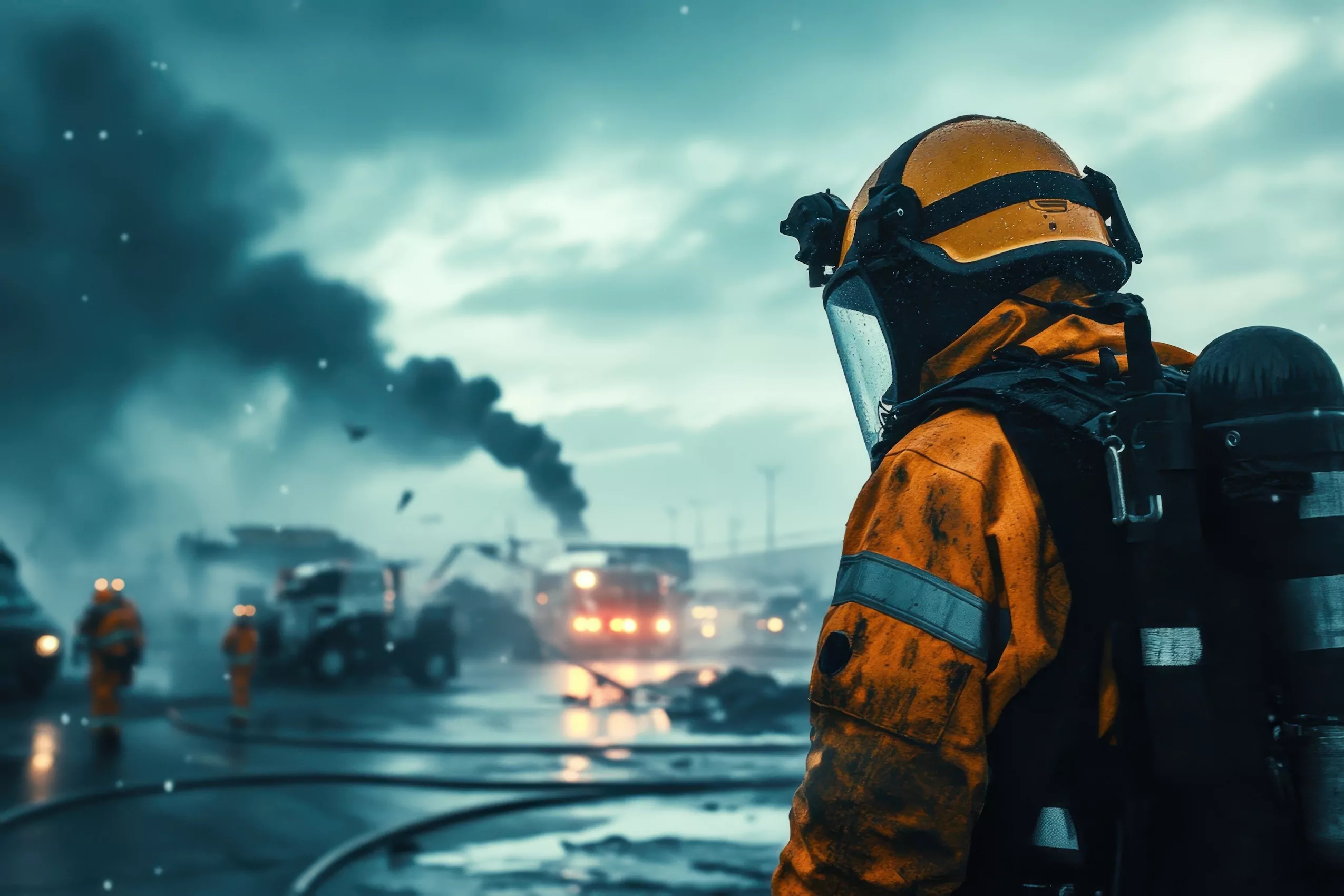

Emergencies test leadership in ways that everyday situations do not. When a fire breaks out, people look for calm direction, quick decisions, and clear communication. A Chief Fire Warden course is designed to build exactly these qualities. It prepares individuals to lead with confidence during high-pressure events while keeping people safe and organised. More than basic fire awareness, this training develops practical emergency leadership skills that apply across many workplace situations.
The Leadership Role In Emergencies
A Chief Fire Warden is responsible for coordinating fire safety actions before, during, and after an emergency. This role requires more than knowing where fire exits are located. It involves planning, delegation, communication, and accountability. A Chief Fire Warden course teaches participants how to take charge of an unfolding situation without panic. Leadership during emergencies is about staying composed, assessing risks quickly, and guiding others with authority and clarity.
Through structured learning, participants gain a clear understanding of their responsibilities. This clarity helps them act decisively when time is limited. Knowing exactly what to do removes hesitation, which is a critical trait of effective emergency leaders.

Building Confidence Through Knowledge And Practice
Confidence is a foundation of leadership, especially in emergencies. A Chief Fire Warden course builds confidence by providing detailed knowledge of fire behaviour, alarm systems, evacuation procedures, and safety regulations. Leaders are more likely to adhere to protocols correctly and confidently enforce them when they know why specific measures are necessary.
Practical exercises play a major role in this process. Simulated scenarios allow participants to practice decision-making under pressure. These exercises mirror real situations where people may be confused, frightened, or resistant to instructions. By practising responses ahead of time, future Chief Fire Wardens learn to manage stress and remain focused. This experience transforms theoretical knowledge into leadership readiness.
Developing Clear Communication Skills
Effective communication saves lives during emergencies. An emergency warden course places strong emphasis on clear, calm, and direct communication. Participants learn how to give instructions that are easy to understand, even in noisy or chaotic environments. They also learn how to listen and respond to concerns from staff during evacuations.
Leadership is not about shouting orders. It is about earning trust quickly. When people hear calm and confident instructions, they are more likely to follow them. The course helps leaders develop the tone, language, and presence needed to guide others safely. These communication skills often carry over into everyday workplace leadership roles as well.
Strengthening Decision Making Under Pressure
Emergency leadership requires fast and informed decisions. A Chief Fire Warden course trains participants to assess situations rapidly and choose the safest course of action. This includes deciding when to evacuate, identifying unsafe areas, and managing people with mobility challenges.
Training also highlights the importance of prioritisation. Leaders must focus on life safety first, followed by coordination with emergency services. By understanding these priorities, Chief Fire Wardens avoid common mistakes such as delaying evacuation or attempting unsafe interventions. This structured decision-making approach is a hallmark of strong leadership in any crisis situation.
Encouraging Responsibility And Accountability
Leadership during emergencies involves taking responsibility for outcomes. A Chief Fire Warden course reinforces accountability by clearly defining the chain of command and individual roles. Participants learn how to coordinate with wardens, floor leaders, and emergency responders.
This sense of responsibility encourages leaders to stay vigilant even during routine operations. Regular checks, drills, and updates become part of their leadership mindset. In some training frameworks, such as puafer005, emphasis is placed on compliance, documentation, and continuous improvement. This reinforces the idea that leadership does not begin when the alarm sounds. It begins with preparation.
Fostering Team Coordination And Trust
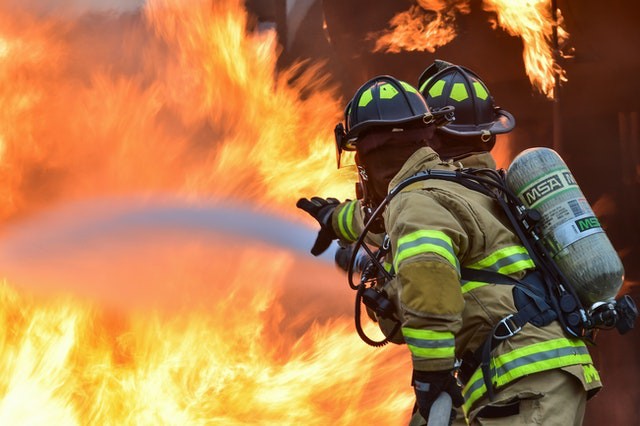
No emergency leader works alone. A Chief Fire Warden course teaches how to lead teams effectively under stress. Participants learn how to delegate tasks, support other wardens, and maintain order during evacuations. Trust within the team is built through shared training and clear expectations.
When team members trust their leader, coordination improves. Evacuations become smoother, accountability checks are more accurate, and confusion is reduced. This teamwork-focused approach strengthens overall emergency readiness and reflects strong leadership principles.
Long-Term Leadership Benefits Beyond Fire Safety
The leadership skills gained from a Chief Fire Warden course extend beyond emergency situations. Participants often report improved confidence, communication, and decision-making in their regular roles. The ability to remain calm under pressure is valuable in many professional settings.
By developing leaders who can manage risk, guide people, and take responsibility, organisations create a safer and more resilient workplace culture. A Chief Fire Warden course does more than teach fire procedures. It shapes individuals into capable emergency leaders who can protect lives when it matters most.