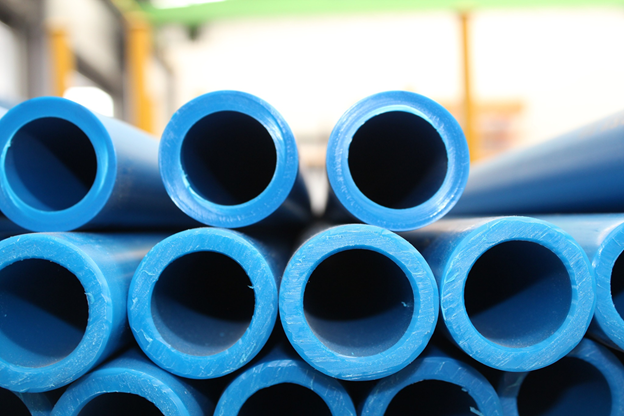

In the demanding world of industrial operations, a reliable compressed air system isn’t just a convenience; it’s the very lifeblood of productivity. From powering pneumatic tools to operating machinery and automated processes, consistent and clean compressed air is non-negotiable. However, traditional piping materials often present a raft of challenges, leading to inefficiencies, increased maintenance, and significant operational costs.
Many businesses are now looking for smarter, more durable, and cost-effective solutions to their air reticulation needs. This is where modern piping technologies, particularly those utilising advanced polymers, truly shine. Understanding the benefits of these innovative systems can drastically improve your plant’s performance and bottom line.
The evolution of compressed air systems
For decades, steel and copper piping were the go-to choices for industrial compressed air lines. While robust in certain aspects, these materials came with inherent drawbacks that became more pronounced over time. Businesses frequently grappled with issues that impacted both efficiency and operational longevity.
The constant drive for improved performance and reduced overheads spurred innovation in piping technology. This led to the development of materials specifically engineered to overcome the common pitfalls of older systems. The industry needed a solution that was not only resilient but also adaptable to modern industrial demands.
Moving beyond traditional metal piping
Traditional metal piping, such as galvanised steel or copper, is susceptible to internal corrosion and rust, especially in environments with moisture. This degradation not only contaminates the compressed air supply with particulates but also significantly reduces the pipe’s internal diameter over time. The result is a noticeable drop in pressure and an increase in the energy required to maintain adequate airflow, driving up electricity bills.
Furthermore, the installation of metal systems can be labour-intensive and costly. Welding, threading, or soldering requires specialised skills and equipment, often leading to longer downtime during setup or modifications. These systems also tend to be heavier, adding complexity to structural support requirements and making future expansions more challenging.
The rise of polymer solutions
The advent of polymer-based piping systems has revolutionised how industries manage their compressed air. These modern materials offer a compelling alternative, addressing many of the limitations associated with traditional metal pipes. They provide a superior foundation for any efficient and reliable compressed air network.
Polymer piping offers outstanding resistance to corrosion, ensuring a clean air supply and consistent flow rates throughout its lifespan. Their lightweight nature and innovative connection methods also dramatically simplify installation and modification processes. This translates directly into reduced labour costs and minimal disruption to ongoing operations.
Unpacking the benefits of compressed air poly pipe
Choosing a reliable compressed air poly pipe system brings a multitude of advantages to any industrial setting. These benefits extend beyond mere functionality, impacting everything from energy consumption to maintenance schedules and overall operational efficiency. It’s a strategic decision that pays dividends for years.
Modern blue line poly pipe is engineered to meet the rigorous demands of industrial environments, providing a robust and dependable solution. Its unique characteristics make it an ideal choice for businesses aiming to optimise their compressed air infrastructure. Let’s delve into some of the key advantages that make it such a popular option.
Superior corrosion resistance
Unlike metal pipes that are prone to rust and corrosion, poly pipe is inherently resistant to these issues. This is a critical advantage, as corrosion in metal pipes can introduce contaminants into the compressed air, damaging sensitive equipment and impacting product quality. The smooth, non-corrosive interior of poly pipe ensures the air remains clean and dry.
This resistance extends to various chemicals and oils often present in industrial atmospheres, further protecting the integrity of the system. The absence of corrosion also means the internal diameter of the pipe remains constant over time. This preserves optimal airflow and prevents the efficiency losses typically seen with degrading metal systems.
Enhanced flow rates and energy efficiency
The smooth internal surface of compressed air poly pipe significantly reduces friction, leading to superior flow rates and minimal pressure drop. This means that the compressor doesn’t have to work as hard to deliver air at the required pressure, directly translating into substantial energy savings. Over the lifespan of the system, these savings can be considerable.
Furthermore, the excellent thermal properties of poly pipe help to maintain a more consistent air temperature within the system. This reduces the energy lost through heat dissipation, contributing to overall system efficiency. Investing in these systems can lead to a noticeable reduction in your power bills.
Simplified installation and maintenance
One of the most compelling advantages of poly pipe is its ease of installation. It is significantly lighter than metal alternatives, making it easier to handle, cut, and position on-site. Many systems utilise innovative push-fit or electrofusion connection methods, which are quick, secure, and require less specialised tooling than traditional welding or threading.
This simplified installation process dramatically reduces labour costs and minimises downtime during setup or modifications. Ongoing maintenance is also less intensive, as there’s no need to worry about rust removal or frequent leak checks caused by corroded joints. The robust nature of these pipes ensures a long service life with minimal intervention.
Durability and longevity in harsh environments
Industrial settings are often characterised by challenging conditions, including exposure to chemicals, fluctuating temperatures, and mechanical stress. Any piping system must be robust enough to withstand these factors without compromising performance or safety. Poly pipe, particularly high-quality varieties, is engineered precisely for this resilience.
Its inherent flexibility also allows it to absorb minor impacts and vibrations better than rigid metal pipes, reducing the risk of damage in dynamic environments. This combination of material strength and structural adaptability contributes significantly to its impressive longevity and reliability in demanding applications.
Withstanding demanding industrial conditions
Poly pipe exhibits remarkable resistance to a wide range of industrial chemicals, making it suitable for diverse manufacturing environments. It also stands up well to ultraviolet (UV) radiation, which is crucial for outdoor installations or areas exposed to sunlight. This prevents material degradation and embrittlement over time, ensuring continued performance.
Temperature fluctuations, a common occurrence in industrial processes, also pose less of a threat to poly pipe. Unlike metal pipes, which can become brittle at low temperatures or expand significantly at high temperatures, poly pipe maintains its structural integrity across a broad operational range, typically from -40°C to +60°C. Its inherent thermal insulation properties also help in maintaining fluid temperatures, reducing energy loss in both hot and cold fluid transfer. This consistent performance under varying thermal loads underscores its reliability without needing costly insulation. Beyond chemical and UV resistance, poly pipe demonstrates excellent abrasion resistance. This is invaluable in applications transporting abrasive slurries or materials with suspended solids, where metal pipes quickly erode. The smooth inner bore of poly pipe reduces friction loss and minimises scale buildup, ensuring consistent flow rates and reducing the need for frequent cleaning. Its inherent flexibility and ductile nature also allow it to absorb significant impact energy without fracturing, unlike brittle materials. This resilience prevents catastrophic failures from accidental impacts, enhancing safety and protecting resources in dynamic industrial environments.
Enhanced safety and operational reliability
The inherent properties of poly pipe contribute directly to a safer working environment. Its non-corrosive nature eliminates the risk of leaks due to material degradation, which can be a source of hazardous material exposure or slip hazards. The absence of sparks during installation or repair, unlike welding metal pipes, significantly reduces fire risks in volatile environments. Moreover, the material’s lower thermal conductivity means that the exterior surface of pipes carrying hot fluids will be cooler, reducing burn risks for personnel. The robust, monolithic structure formed by fusion welding ensures system integrity, drastically reducing the likelihood of catastrophic failures. This reliability translates into fewer unscheduled shutdowns, maintaining continuous production and preventing costly interruptions.
Environmental responsibility and sustainability
In an era demanding environmental stewardship, poly pipe offers significant advantages. Its production process is less energy-intensive than many metal alternatives, and the material is often recyclable at the end of its exceptionally long service life, contributing to circular economy principles. This reduces waste and conserves resources throughout its lifecycle.
Furthermore, leak-tight fusion joints prevent the escape of transported fluids into the environment, safeguarding against soil and water contamination – especially crucial for hazardous chemicals or wastewater. The smooth bore also contributes to lower pumping energy requirements due to reduced friction, translating into reduced electricity consumption and a smaller carbon footprint for the facility. Choosing poly pipe effectively aligns industrial infrastructure with broader environmental goals.
Conclusion
In summary, blue line poly pipe offers a compelling solution for industrial applications, excelling in durability, chemical resistance, ease of installation, and environmental responsibility. Its longevity, enhanced safety features, and operational reliability contribute to a superior infrastructure choice. For industries seeking robust, efficient, and sustainable piping systems, poly pipe consistently delivers high performance.