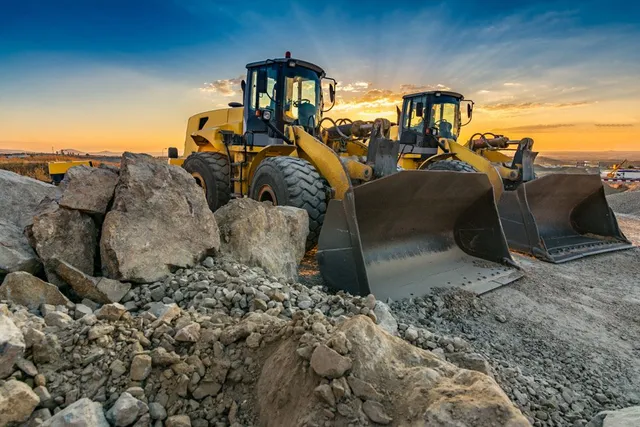

Excavators play an essential role in construction, landscaping, and earthmoving tasks. Choosing the right size machine can make a major difference in productivity, cost, and overall project success. While compact excavators offer agility and convenience, large excavators deliver unmatched power and reach. Understanding the differences between the two will help you make a smart and efficient investment, especially if you are exploring equipment options such as a 2.5 tonne excavator for sale and want to match it with your project needs.
The Strengths of Compact Excavators
Mini excavators are another name for compact excavators. They are made for small areas and light to medium-duty jobs. Their smaller footprint allows them to navigate narrow access points, making them ideal for urban construction, residential landscaping, plumbing trenches, and small demolition work. These machines are often preferred for jobs where precision is more important than raw strength.
One of the best things about small excavators is how easy they are to move around. Most models can be hauled using a standard trailer, reducing transport costs and setup time. Their lightweight nature also minimises ground disturbance, which is especially beneficial when working on landscaped areas or soft soil. Maintenance costs tend to be lower, and fuel consumption is significantly more efficient than larger models, making them a smart choice for budget-conscious contractors.

When Large Excavators Become Essential
Large excavators are built for heavy-duty tasks that require exceptional digging power, lifting capacity, and extended reach. These machines excel in road construction, mining, commercial development, and major earthmoving operations. With their superior hydraulic systems and reinforced components, they can handle high-volume workloads and challenging terrain with ease.
The main strength of large excavators is their ability to complete demanding tasks quickly and efficiently. Their long reach enables deeper excavation and faster cycle times, which reduces overall project duration. While they come with higher fuel usage and maintenance costs, their productivity on large-scale jobs often offsets the additional operational expenses.
Comparing Flexibility and Maneuverability
Compact excavators dominate when it comes to maneuverability. Their ability to swivel, navigate tight corners, and operate in limited spaces makes them essential for small to medium-sized projects. If your job site is surrounded by buildings, fencing, or underground utilities, a compact machine will offer the control and flexibility needed to work safely.
On the other hand, large excavators require more open space to operate effectively. Their size and weight make them better suited for wide, accessible sites where full range movement is possible. Although less nimble, their stability and power allow them to perform work that smaller machines simply cannot handle.

Cost Considerations for Both Options
Budget is often one of the biggest factors when choosing excavation equipment. Compact excavators generally have a lower purchase price and reduced operating costs. They are ideal for contractors who handle varied small projects and want a reliable, cost-efficient machine.
Large excavators involve a higher upfront investment and ongoing expenses due to their size, fuel requirements, and maintenance needs. However, for businesses that regularly undertake large-scale projects, the increased productivity and speed can justify the cost.
If you are considering long-term value and versatile use, exploring options like a 2.5-tonne excavator for sale may provide the perfect balance. This size class offers a mix of power and compact convenience, making it suitable for a wide range of projects.
Choosing the Best Excavator for Your Project
The right choice ultimately depends on the nature of your work. For jobs that require access to confined spaces, detailed digging, or regular transport, a compact excavator is the superior option. For heavy lifting, large volumes of earthmoving, or substantial construction work, a large excavator will deliver the performance you need.
By understanding your project’s demands and budget, you can confidently choose the machine that offers the best efficiency and long-term value.