
In order to offer raw materials for manufacturing, building, paper manufacture, and many other industries, the forestry sector is essential. As demand for timber and forest resources continues to grow, forestry professionals are seeking ways to improve efficiency while maintaining safety and environmental responsibility. One of the most effective ways to achieve these goals is through the use of modern forestry equipment technology.
Today’s forestry equipment is designed to help operators complete tasks faster, reduce labor demands, and improve overall productivity. From harvesting and transportation to land management and site preparation, advanced machinery has transformed the way forestry operations are conducted.
The Evolution Of Forestry Equipment Technology
Forestry work was once heavily dependent on manual labor and basic machinery. While these methods were effective in the past, they often required significant time and physical effort. Modern forestry equipment for sale has introduced advanced features that streamline operations and improve performance.
Today’s machines are built with powerful engines, enhanced hydraulic systems, and specialized attachments that allow operators to handle a wide variety of forestry tasks. These improvements help businesses complete projects more efficiently while reducing unnecessary downtime.
Technology has also made equipment more reliable, enabling forestry companies to maintain consistent productivity throughout the year.
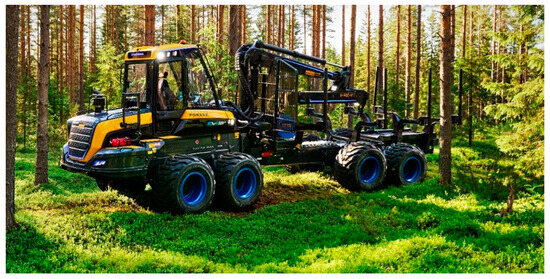
Improving Harvesting Efficiency
Harvesting is one of the most important stages of any forestry operation. Modern harvesting equipment allows operators to cut, process, and prepare timber more quickly than traditional methods.
Advanced harvesters can perform multiple functions in a single operation, including cutting, delimbing, and measuring logs. This reduces the need for multiple machines and minimizes handling time.
By increasing precision and speed, modern forestry equipment helps businesses maximize output while maintaining high standards of quality. Faster harvesting also allows companies to meet project deadlines more effectively and respond to changing market demands.
Enhancing Operator Comfort And Performance
Operator productivity is closely connected to comfort and working conditions. Long hours in difficult environments can lead to fatigue, which may affect efficiency and safety.
Modern forestry equipment is designed with ergonomic operator cabins that provide improved visibility, comfortable seating, climate control, and user-friendly controls. These features create a better working environment and help operators remain focused throughout the day.
When operators experience less fatigue, they can work more efficiently and make better decisions in the field. This contributes directly to improved productivity and safer operations.
Advanced Technology For Better Decision Making
Digital technology has become a valuable part of modern forestry equipment. Many machines now include onboard monitoring systems that provide real-time information about machine performance and operating conditions.
These systems help operators track fuel consumption, productivity levels, maintenance requirements, and equipment health. Access to accurate data allows managers to make informed decisions and optimize workflows.
Some forestry equipment also incorporates GPS technology and mapping systems. These tools improve navigation, assist with planning, and help operators work more efficiently across large forested areas.
The ability to gather and analyze data creates opportunities for continuous improvement and better resource management.
Reducing Downtime Through Preventive Maintenance
Equipment downtime can significantly impact productivity. Unexpected breakdowns often result in project delays, increased costs, and lost revenue.
Advanced diagnostic systems that track machine performance and spot possible problems before they become major ones are part of modern forestry equipment technology. Early detection allows maintenance teams to schedule repairs proactively rather than reacting to unexpected failures.
Preventive maintenance strategies help extend equipment life and keep machinery operating at peak performance. As a result, forestry businesses can reduce interruptions and maintain steady production levels.
Supporting Safer Forestry Operations
Safety remains a top priority in forestry environments. Modern forestry equipment incorporates numerous safety features that help protect operators and workers.
Improved visibility systems, reinforced cabins, advanced braking systems, and stability controls all contribute to safer operations. Many machines are also designed to minimize operator exposure to hazardous conditions.
Safer equipment reduces the likelihood of accidents and workplace injuries. When workers feel confident and secure, productivity often improves because operations can proceed with fewer disruptions.
Versatility For Multiple Forestry Applications
One of the greatest advantages of modern forestry equipment is its versatility. Many machines can be equipped with specialized attachments that allow them to perform different tasks throughout the year.
Equipment may be used for harvesting, site preparation, vegetation management, road construction, land clearing, and reforestation projects. This flexibility enables businesses to maximize equipment utilization and improve return on investment.
Rather than maintaining separate machines for every task, operators can adapt existing equipment to meet changing project requirements.
Conclusion
Modern forestry equipment technology has transformed the forestry industry by improving efficiency, safety, and operational performance. Advanced harvesting systems, digital monitoring tools, operator-focused designs, and preventive maintenance technologies all contribute to higher productivity levels. As forestry operations continue to evolve, investing in modern equipment provides businesses with the tools needed to remain competitive and meet growing demands. By embracing technological advancements, forestry professionals can maximize productivity while supporting sustainable and responsible forest management practices.
